They are essential to maintain optimal operating conditions and ensure the viability and functionality of the cells and tissues being studied.
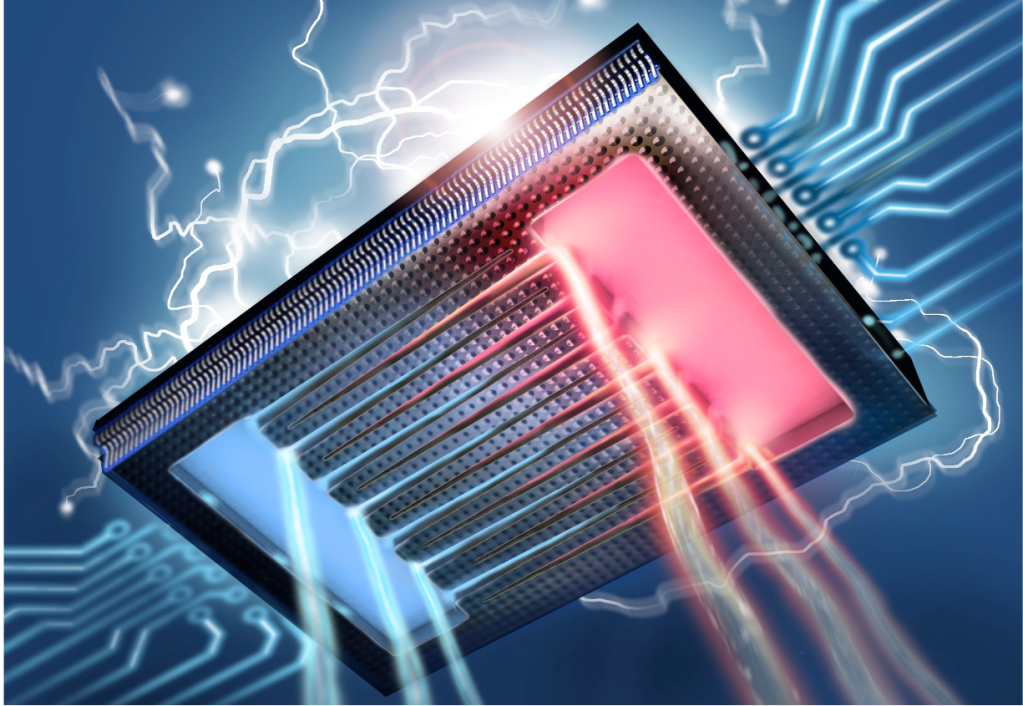
Here are 20 cooling methods commonly used in organ-on-a-chip applications:
- Passive Cooling: This method relies on heat dissipation through natural convection or radiation without the use of any active cooling mechanism.
- Active Cooling: Involves the use of external cooling devices such as fans or heat sinks to dissipate heat generated by the reactor.
- Thermal Conductive Pads: These pads facilitate heat transfer by providing a conductive interface between the reactor and a cooling surface.
- Microfluidic Cooling Channels: Integration of microfluidic channels within the chip to circulate a coolant fluid and extract heat from the reactor.
- Thermoelectric Cooling: Utilizes the Peltier effect to transfer heat away from the reactor by creating a temperature gradient across a thermoelectric module.
- Liquid Cooling: Involves the circulation of a liquid coolant, such as water or a specialized coolant fluid, to remove heat from the reactor.
- Air Cooling: Uses fans or blowers to direct ambient air over the reactor, facilitating heat dissipation.
- Heat Pipes: Heat pipes are sealed copper pipes containing a liquid that vaporizes and condenses to transfer heat away from the reactor.
- Microscale Heat Exchangers: Miniaturized heat exchangers integrated into the organ-on-a-chip system to transfer heat to a coolant.
- Phase Change Materials: These materials absorb heat during phase transition, providing passive cooling as the material changes from solid to liquid.
- Microscale Radiators: Compact radiators designed to efficiently dissipate heat from the reactor to the surrounding environment.
- Microscale Fans: Tiny fans integrated into the chip design to provide localized cooling to specific regions of the reactor.
- Microscale Heat Sinks: Small-scale heat sinks designed to increase the surface area for heat dissipation.
- Microscale Heat Spreaders: Devices that distribute heat evenly across the reactor, helping to maintain uniform temperature conditions.
- Evaporative Cooling: Utilizes the evaporation of a liquid coolant, such as water, to remove heat from the reactor.
- Hybrid Cooling: Combination of different cooling techniques, such as liquid cooling and air cooling, to achieve enhanced heat dissipation.
- Microscale Coolant Jets: Thin microfluidic channels that generate high-velocity coolant jets to cool specific areas of the reactor.
- Direct Contact Cooling: Involves placing the reactor in direct contact with a cooling medium, such as a chilled plate or block.
- Microscale Heat Pumps: Devices that actively transfer heat from one region of the chip to another using thermodynamic principles.
- Optofluidic Cooling: Utilizes laser-induced heating and fluidic flow to cool the reactor, leveraging optofluidic principles.
These cooling methods can be applied individually or in combination, depending on the specific requirements of the organ-on-a-chip system and the desired cooling performance.
 Organ on a Chip Cooling